
The 5 Lies of Suicide
Trigger Warning: This article discusses suicide and suicidal thoughts. If you are currently in immediate danger or considering harming yourself, please contact 988 in the United States or seek emergency support right away.
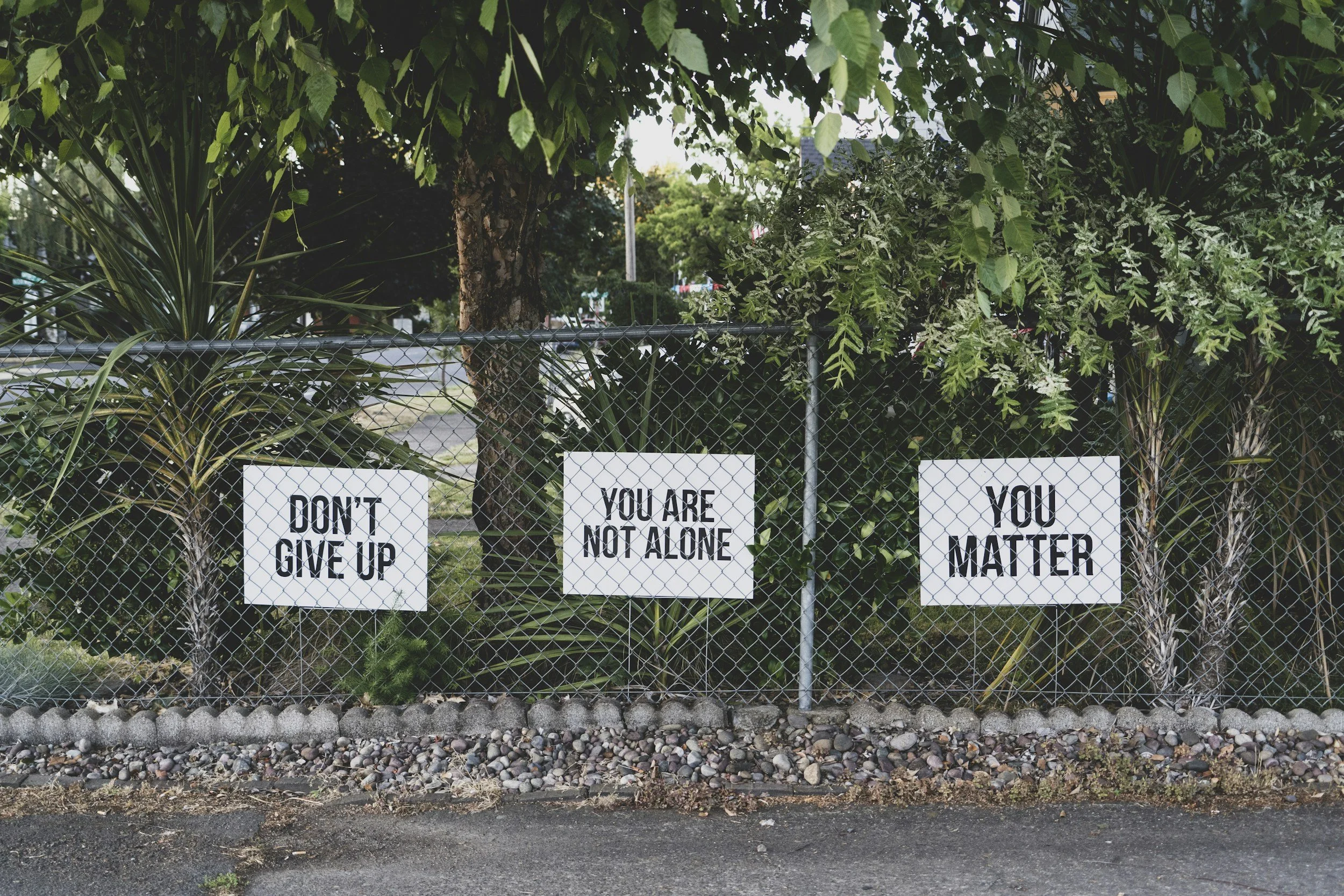
Early in my career, I volunteered with a suicide prevention hotline. Every shift brought calls from people in immediate crisis. Some were standing at the edge of life altering decisions. Others simply needed someone to listen without judgment. What stayed with me was not only the pain people carried, but the stories they believed about themselves. Through that experience, and in the years that followed as a counselor and case manager, I began to notice patterns. Certain beliefs appeared again and again. They felt true to the person experiencing them. Yet they were often deeply misleading.
Here are five common lies suicide tells people, followed by the truths that help loosen their grip.
The 5 Lies of Suicide
1. I have to deal with this alone.
Isolation convinces people that no one could understand their pain. Shame and fear often reinforce silence. Yet suffering tends to grow louder when it is hidden.
2. I do not want to burden others.
Many people believe their struggles will overwhelm loved ones. They worry about being “too much.” In reality, most families and friends would rather know someone is struggling than lose the opportunity to help.
3. Talking about it makes it worse.
There is a persistent myth that speaking openly about suicidal thoughts plants dangerous ideas. Research and clinical experience consistently show the opposite. Silence increases risk. Conversation creates relief and connection.
4. Nothing will ever change.
Hopelessness narrows perspective. Depression and trauma can make the future feel fixed and permanent. Pain begins to look like a life sentence rather than a moment in time.
5. It is the only option.
When distress peaks, the brain shifts into survival mode. Choices appear limited. Suicide can begin to feel like the only escape from unbearable emotion, even when other paths exist.
If you are reading this, suicide may not be an abstract topic. You may have lost someone. You may be worried about a partner, a child, a friend, or a colleague. Or perhaps parts of these lies sound familiar because you have quietly wrestled with them yourself. Suicide does not exist in isolation. Its impact ripples through families, friendships, and communities. Recognizing these beliefs is often the first step toward interrupting them, whether you are supporting someone you love or learning how to support yourself.
The 5 Truths About Suicide
1. You do not have to deal with it alone.
Support changes outcomes. Therapists, friends, family members, peer groups, and crisis counselors exist because connection saves lives.
2. You are not a burden to others.
Human relationships are built on mutual care. Allowing someone to support you often deepens connection rather than damaging it.
3. Talking about it makes it easier.
Naming pain reduces its intensity. Many people experience immediate relief simply by being heard without judgment.
4. Feelings and circumstances can change.
Hopelessness tells a convincing story, but emotions are not permanent states. Treatment, community, medication, meaningful change, and time itself can reshape what once felt impossible.
5. It is not the only option.
Crisis narrows vision. Support expands it again. There are always additional steps, even small ones, that can move someone toward safety and healing.
Suicidal thoughts often grow in secrecy, shame, and isolation. They weaken when met with compassion, honesty, and connection. Hope does not always arrive as a dramatic turning point. Sometimes it begins with a single conversation, a moment of honesty, or the decision to reach out when everything inside says not to.
Support can look different for everyone. It might mean speaking with a trusted friend, connecting with a therapist, joining a support group, or reaching out to trained crisis counselors who are there specifically for moments like this. Healing is rarely linear, but change is possible, and people recover every day.
If you are in the US, you can call or text 988, the Suicide and Crisis Lifeline, to speak with someone right now. You deserve support, your story matters, and you do not have to face this alone.